Where anesthetics are obtained, stored, labeled, and controlled.
Clinical Safety Chain
The anesthetic chain
is part of surgery.
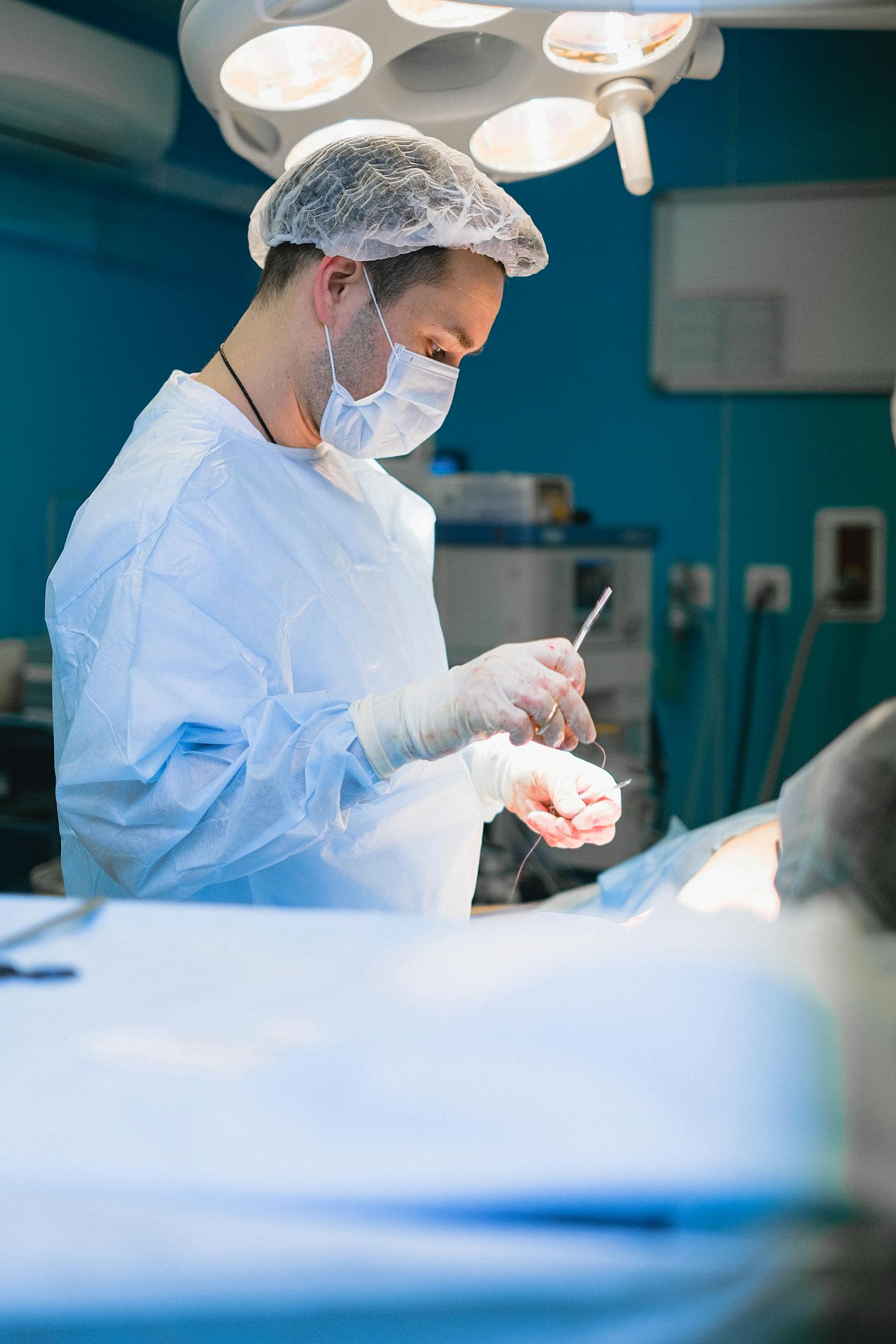
A surgeon's skill matters, but procedure safety also depends on anesthesia staffing, medication handling, sterile technique, equipment processing, and the facility's ability to respond when complications begin.
1,801Patients exposed to neuraxial blockade in the Durango investigation
80Meningitis cases in the Durango peer-reviewed report
24Matamoros fungal meningitis cases identified in the CID report
104Matamoros patients considered at risk after epidural anesthesia
What must be visible
Safety is a system,
not a promise.
The Matamoros and Durango outbreaks show why verification cannot stop at the surgeon's biography. Epidural or spinal anesthesia creates a direct route to the central nervous system when sterile systems fail.
Whether single-use and multi-use protocols are documented and enforced.
Who places neuraxial anesthesia and what credentials they hold.
How instruments, rooms, skin prep, and injection technique are audited.
How patients are observed during recovery and after discharge.
Whether the facility has a real pathway to higher-level care.

Verification standard
Document the room,
not just the result.
A verification file should ask for the OR, anesthesia provider, sterilization workflow, emergency equipment, post-op contact plan, and records that let a treating doctor understand what happened if the patient returns home with symptoms.
Public-health reports also show that patients often present later, in another country, where physicians need operative details that were never provided.
Anesthesia and infection lens
The risk chain extends
beyond the surgeon.
Anesthesia, medication sourcing, sterile handling, operating-room process, post-op infection response, and documentation all need review because complications often begin outside the headline procedure.
Claims need named evidence.
Credentials, licenses, facility authorization, outcomes, and patient statements carry more weight when tied to a document, registry, record, or accountable source.
Research must change the checklist.
Each warning should become a practical verification requirement, not just another article on the page.
The reader should know what to ask next.
The best evidence helps patients request records, confirm source claims, and pause when a clinic or broker cannot answer clearly.
Sources
Safety source
record.
This page centers public-health and peer-reviewed outbreak data. It does not claim that every international clinic has these failures.
- Open Forum Infectious Diseases: Durango Fusarium outbreak
- Associated Press: Durango investigation allegations
- CDC HAN: Matamoros suspected fungal meningitis
- WHO Disease Outbreak News: Matamoros fungal meningitis
- Clinical Infectious Diseases: Matamoros outbreak report
- CDC Yellow Book: medical tourism infection risks