May be suitable for consultation but not surgery or anesthesia.
Facility Brief
Verify the
operating room.
Facility quality is one of the most important medical-tourism variables. The question is not whether the building looks modern; it is whether the exact setting is authorized, equipped, staffed, and accountable for the procedure being sold.
Requires procedure-specific authorization, staffing, emergency systems, and sterile processing.
Can provide broader emergency support, but still requires source verification.
Useful signal, but CDC warns it does not guarantee a positive outcome.
Facility proof
Verify the room
where risk happens.
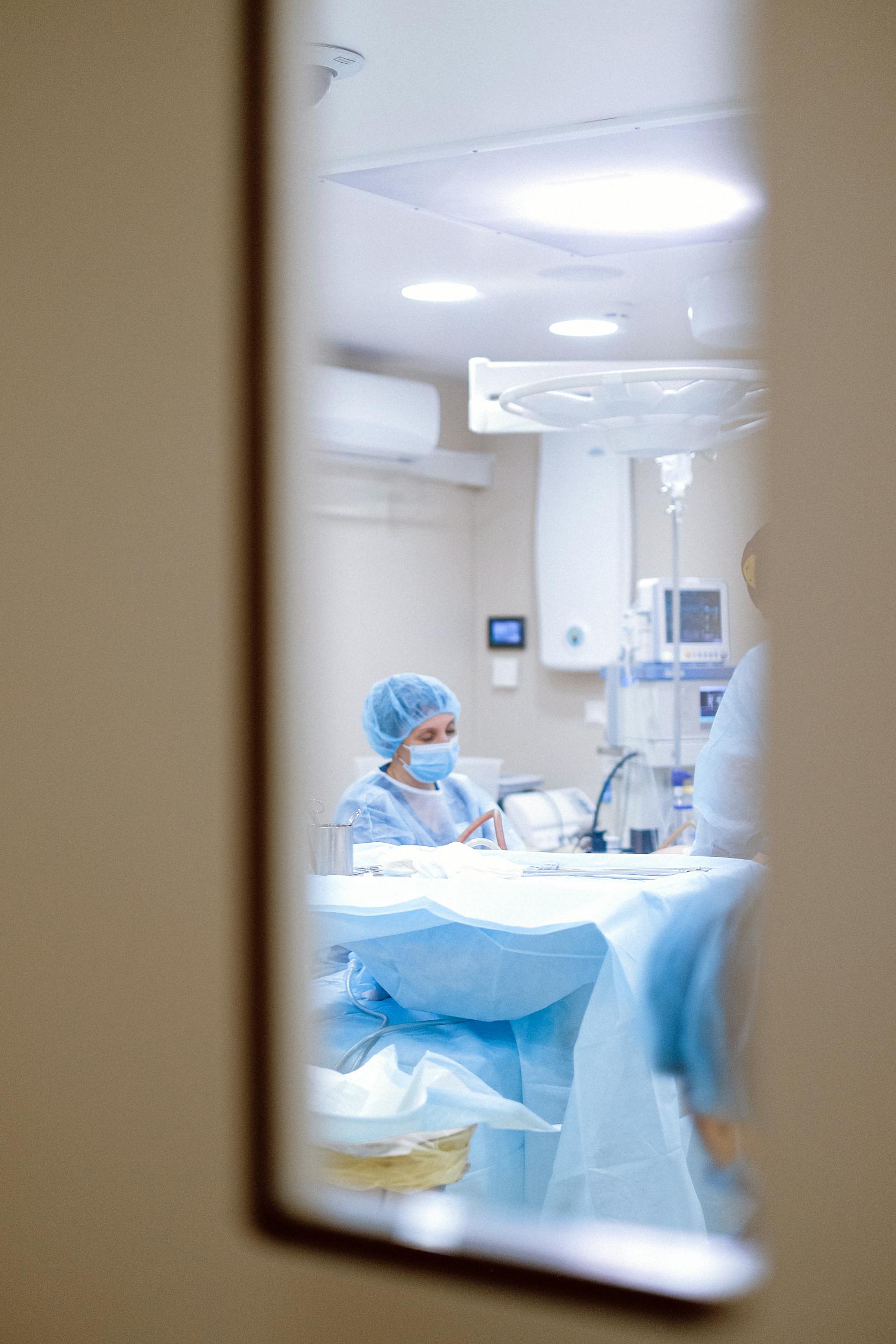
Medical tourism marketing often shows reception areas, equipment photos, and hotel-like recovery rooms. Verification must inspect the operating environment, sterile workflow, pharmacy controls, recovery monitoring, and emergency transfer plan.
The facility must be authorized for the procedure and anesthesia level, not merely registered as a clinic.
Sterilization indicators, reprocessing protocols, hand hygiene, and supply traceability matter more than decor.
A credible facility can explain what happens during hemorrhage, airway emergency, allergic reaction, sepsis, or neurologic symptoms.
Accreditation is valuable evidence. It is not a substitute for surgeon-specific, procedure-specific, and date-specific verification.

Verification standard
Ask for the license,
not the lobby.
A patient should know the legal name of the facility, the procedure authorization, the accreditation status if claimed, the anesthesia and recovery capacity, and whether records can prove the procedure happened at that site.
- Name the facility before payment.
- Confirm authorization for the procedure.
- Confirm emergency transfer pathway.
- Confirm records match the location.
Facility verification lens
Accreditation claims need
source records.
Facility trust depends on authorization, inspection status, operating-room context, sterilization systems, equipment readiness, and whether the advertised setting matches the treatment being sold.
Claims need named evidence.
Credentials, licenses, facility authorization, outcomes, and patient statements carry more weight when tied to a document, registry, record, or accountable source.
Research must change the checklist.
Each warning should become a practical verification requirement, not just another article on the page.
The reader should know what to ask next.
The best evidence helps patients request records, confirm source claims, and pause when a clinic or broker cannot answer clearly.
Sources
Facility source
record.
Sources are listed so the page functions as a report, not an opinion piece. Media anecdotes are avoided unless supported by official or peer-reviewed records.